




‘Sustainability in Chemical Packaging’

‘Sustainability in Chemical Packaging’ Session Host: Josh Leech, Hibiscus PLC Included sub-themes /speakers: Sustainability in Labelling Speaker: Andrew Bedford, Head of Sales & Marketing at Hibiscus PLC Print Sustainability Speaker: Gavin Thurston, Business Systems Channel Account Manager – Epson UK Responsible Care in the Chemical Supply Chain Speaker: Edward Platt, Responsible Care Lead – Chemical […]
EU/GB Divergence – the gap is starting to grow
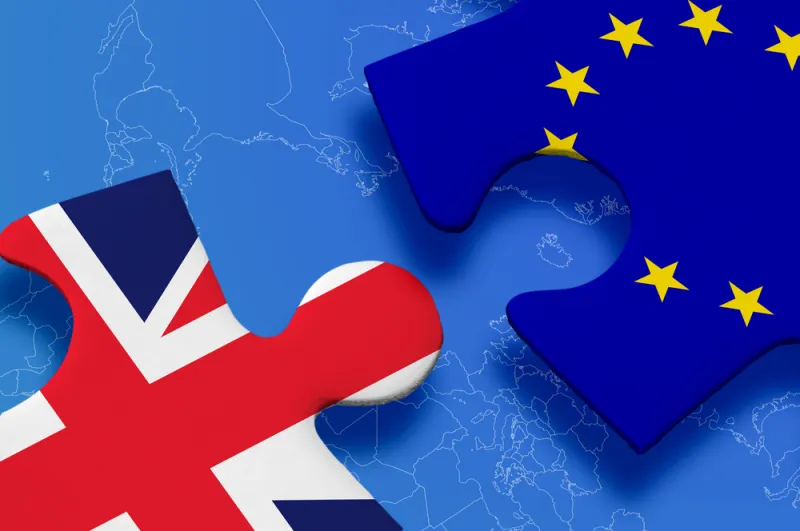
Discussion panel covering off various areas where the EU and GB are starting to diverge. Join key stakeholders from trade associations and industry who will give a brief update on where divergence is starting to appear; they will explain the consequences, the impacts, the timings, and what companies can do to make it easier. Key […]
Safe Handling of Powders and Granules under containment requirements

The safety requirements for handling bulk materials will increase constantly. More and more raw materials get higher risk classifications or technologies are increasing where toxic materials need to be handled (Battery manufacturing). The presentation will include first basic containment information and the today definition of the Occupational Exposure Limits (OEL) and the corresponding Occupational Exposure […]
The Interface Between Formulation and New Technologies
This presentation will explore how formulation science is being impacted by new technologies, both in terms of delivery of products and in the development of new formulations. Areas such as Artificial Intelligence and Machine Learning are changing the development times for new products and in areas such as agriculture there are developments with drones which […]
3D imaging + AI: a short route to the reconstruction of digital twins for existing process plants

3D imaging combined with AI enables the rapid creation of accurate digital twins for existing process plants. This approach streamlines the reconstruction process by automatically detecting assets (piping and associated process equipment) within 3D surveys of very large plants. Combined with the detection of lines and symbols in existing 2D flowsheets, this approach eliminates the […]
Navigating Ukraine REACH Pre-registration: Compliance Strategies for Non-Ukrainian Suppliers
This presentation will provide a comprehensive overview of the Ukraine REACH requirements. The session will detail the substances and actors affected by the regulation and will guide foreign manufacturers/formulators on how to effectively comply and meet the 2026 pre-registration deadline. During the presentation, following topics will be covered: An overview of Ukraine REACH and its […]
What is Required to Make a Good Seal?
The sealing process is complex and has many factors to consider. When sealing with expanded PTFE, further factors must be analyzed. By studying the behaviour of PTFE, required installation parameters, and chemical stability, the technical aspects of PTFE are explored and shown in various examples, including compliance with approvals.
Beyond the Lab: The Crucial Role of Chemical Reaction Hazard Modelling in Process Safety

In the dynamic and hazardous realm of chemical processing, process safety is essential for safeguarding lives, protecting the environment, and ensuring operational integrity. This whitepaper explores the critical role of chemical reaction hazard modelling in advancing process safety. It highlights the integration of experimental data with theoretical insights, enabling accurate prediction and mitigation of complex […]
Chemical Spill Prevention and Immediate Response
Session plan: 14.30 – 14.40 Welcome and Introductions – Richard Baker, Executive Director – ISAS Director – UK and Ireland Spill Association 1440 – 1450 Emerging Risks 1450 – 1520 Chemical Spill Case Study: Dr Tom Richards, Chemical & Pollutants Advisor – Adler & Allan This case study examines a chemical […]
Electrochemical Oxidation for the Elimination of PFAS from Contaminated Water
The issues associated with per- and polyfluoroalkyl substances (PFAS) are well documented/publicised and their chemical stability and persistence in the environment and water sources is well understood. There are several emerging technologies to remove and/or destroy PFAS in water. Among them are those using Electrochemical Advanced Oxidation Processes (EAOPs). Key to the success of EAOPs […]