





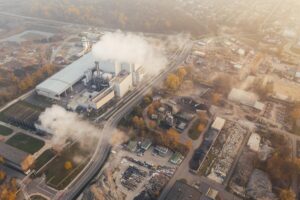
German deeptech company Bioweg will begin building what it describes as Europe’s largest bacterial cellulose production facility in Elsdorf, Germany, in the final quarter of 2026. The plant is expected to produce up to 10,000 tonnes of biodegradable, microplastic-free material annually when commercial production begins in 2028.
Located on the Pfeifer & Langen sugar campus in North Rhine-Westphalia, the facility will use locally available molasses and other sugar-industry side streams as fermentation feedstock. Bioweg says this integrated approach will help reduce transport emissions, lower operating costs and provide a reliable regional supply of raw materials.
The project is intended to support manufacturers looking for alternatives to fossil-based polymers and intentionally added microplastics. Demand is growing following the EU’s 2023 REACH restriction on synthetic polymer microparticles, which is being phased in across sectors including cosmetics, detergents, fertiliser and seed coatings.
Bioweg has raised €35 million in total funding and plans to allocate around 60% of this amount to the Elsdorf project. Recent financing includes a €2 million equity investment from Rabo Ventures, €10.3 million in EU-backed funding through North Rhine-Westphalia’s Produktives. NRW programme, and further funding from other sources.
The company’s existing pilot facility in Quakenbrück will continue operating during construction. Its capacity is being expanded from around 100 tonnes to at least 200 tonnes annually, enabling Bioweg to supply commercial batches through 2027 and 2028 before the larger Elsdorf plant enters service.
Bioweg expects the highly automated Elsdorf site to provide the scale, performance and cost competitiveness needed for manufacturers to reformulate products using biodegradable cellulose-based ingredients.
Find out more here